Demolition Services We Offer
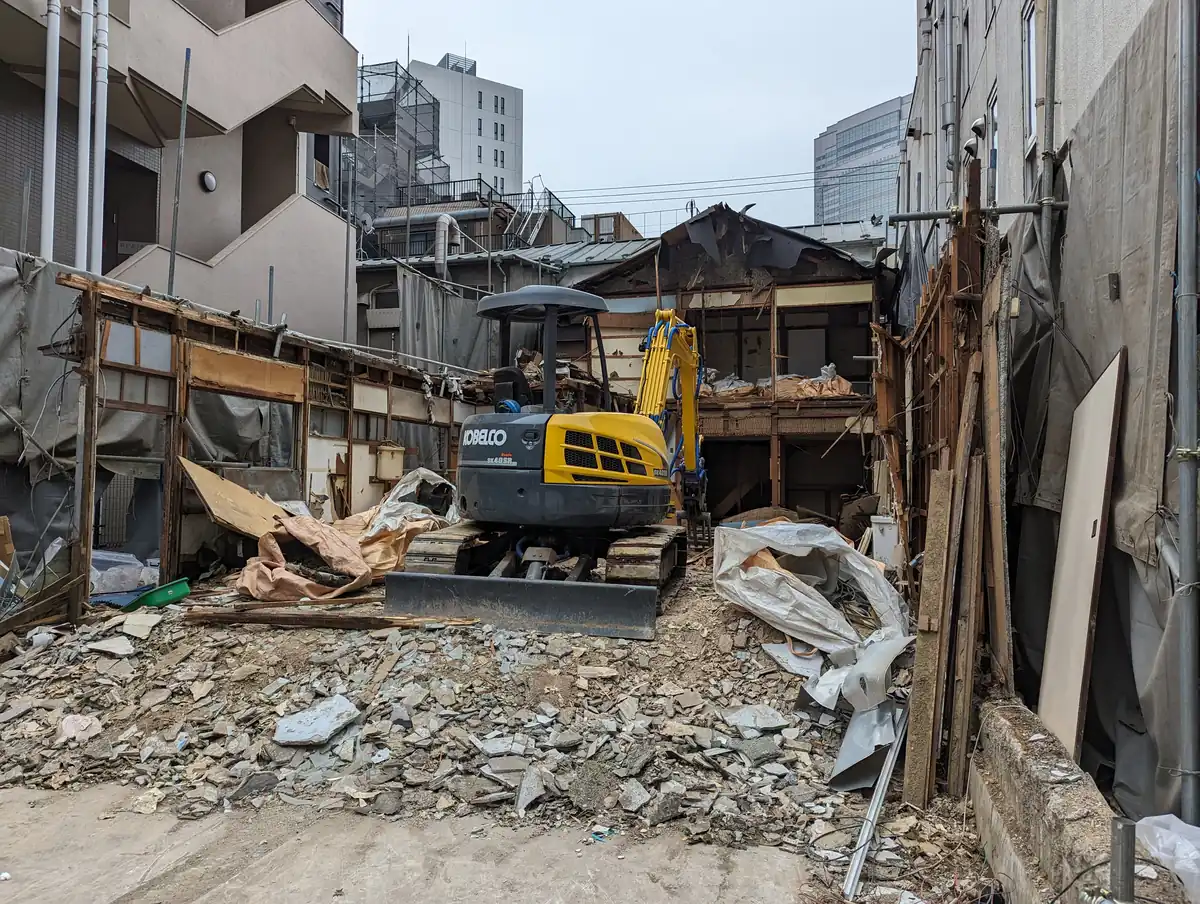 Photo: Syced (CC0)
Every service below has its own page with pricing, process, and timeline details.
House Demolition
Full residential teardowns: old houses, fire- and storm-damaged homes, condemned properties, and tear-down-to-rebuild projects on Chattanooga's older infill lots. Utility disconnects, sewer capping per city code, demo, haul-off, and rough grading — the whole job, start to clean lot.
Commercial Demolition
Retail buildings, offices, warehouses, and strip-outs — including the pre-demolition asbestos survey, the Air Pollution Control Bureau permit, and working safely around occupied neighbors.
Interior & Selective Demolition
Gut-outs for renovations: kitchens, bathrooms, whole-floor strip-outs, non-loadbearing wall removal, and careful selective demo in Chattanooga's historic districts. Dust contained, structure protected.
Pool Removal
Partial fill-in or full removal of inground pools, plus above-ground pool teardowns and concrete deck removal — with an honest comparison of the two methods, including what each means when you sell the house.
Mobile Home Demolition
Single- and double-wide teardown or haul-away across Hamilton County and the rural counties around it. Frame and axle steel gets recycled, which comes off your price.
Concrete & Asphalt Removal
Driveways, patios, slabs, old foundations, sidewalks, retaining walls, and pool decks. Sawcut, break, load, haul — and the concrete gets recycled, not landfilled.
Garage, Shed & Barn Demolition
The small demo jobs a lot of contractors won't return calls about: detached garages, sheds, barns, carports, decks, porches, and chimneys — quoted from photos and finished in a day or two.
Our Demolition Process
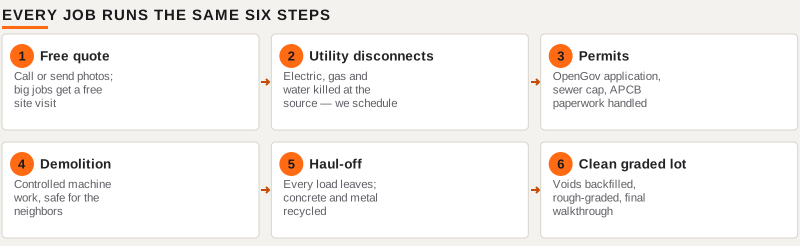
Every job, large or small, runs the same six steps:
- Free quote. Call or send photos through the form. Most structures can be priced from the address and photos; bigger or trickier jobs get a free site visit.
- Utility disconnects. Before anything comes down, electric, gas, and water service have to be killed at the source — coordinated with EPB, Chattanooga Gas, and Tennessee American Water. We manage the scheduling.
- Permits. The demolition permit is applied for through the City of Chattanooga's OpenGov portal, the sewer-cap inspection is scheduled, and Air Pollution Control Bureau paperwork is handled where it applies. Details on our Chattanooga demolition permits guide.
- Demolition. Controlled machine work, planned and safe for the neighbors' fences, trees, and nerves.
- Haul-off. Every load of debris leaves the site. Concrete and metal are separated for recycling; the rest goes to a permitted landfill. No burn piles, no debris "buried on site."
- Clean graded lot. Basement or crawlspace voids backfilled, lot rough-graded, and a final walkthrough with you before the job is called done.
What Demolition Costs in Chattanooga — At a Glance
Honest market ranges (each service page explains what moves them):
- Full house demolition: most Tennessee jobs run $4,000–$14,000; size, basement, access, and asbestos set the price
- Commercial teardowns: industry framing of $4–$7 per square foot, driven by construction type and environmental findings
- Pool removal: partial fill-in $3,000–$7,000; full removal $5,000–$16,000
- Mobile homes: roughly $2,500–$8,000 by single/double-wide, with scrap-steel credit applied
- Concrete removal: about $2–$6 per square foot hauled off
- Garages: typically $2,300–$3,700; the wider small-structure range is $750–$5,000
Every quote is for the whole job — permits, disconnects, demo, haul-off, grading — in writing before work starts. If a cheaper number elsewhere excludes disposal or permits, it isn't cheaper.
Permits Handled For You
The short version: in the City of Chattanooga you need a demolition permit (applications go through the city's OpenGov online portal), the sewer must be capped at the property line and inspected by the city's Inspection Division before demolition begins, and demolitions other than an exempt single-family dwelling need an Air Pollution Control Bureau permit tied to an asbestos survey. Miss a step and your project sits.
All of it is pulled for you — included in the job, not an add-on. To understand the process yourself first, read the plain-English guide: Demolition Permits in Chattanooga: What You Need to Know.
Service Area: Chattanooga, Hamilton County & North Georgia
We cover Chattanooga — North Chattanooga, Highland Park, East Lake, St. Elmo, Brainerd, and everywhere between — plus Hixson, Red Bank, East Ridge, Ooltewah, Soddy-Daisy, Signal Mountain, and Cleveland, TN, and North Georgia jobs in Ringgold and Fort Oglethorpe. Georgia jobs follow Georgia and local-county rules rather than City of Chattanooga permitting, and that difference is handled for you. Anywhere in the region, call and we'll confirm coverage for your address.
Frequently Asked Questions
How much does it cost to demolish a house in Chattanooga?
Most full house demolitions in Tennessee land between $4,000 and $14,000; the national spread is roughly $8,000–$25,000. Size, a basement, tight access, and asbestos abatement push a job up. Call (423) 451-8391 with the address for a firm number.
Do I need a permit to tear down a house in Chattanooga?
Yes. The City of Chattanooga requires a demolition permit, applied for through the city's OpenGov online portal, and the sewer must be capped at the property line and pass city inspection before demo begins. We pull all of it for you as part of the job.
Do I have to test for asbestos before demolition?
For commercial buildings and multi-family structures, yes — an asbestos survey by a Tennessee-certified inspector is required before the Air Pollution Control Bureau will issue its demolition permit. A single-family dwelling that has never been used for institutional, office, or commercial purposes is exempt from the Bureau's survey and permit requirement, though testing suspect materials before disturbing them is still the safe practice.
How long does it take to demolish a house?
The teardown itself usually takes 1–3 days, plus a day or two for haul-off and grading. The longer pole is paperwork: permits, utility disconnects, and the sewer-cap inspection typically add 1–3 weeks. Plan on 2–4 weeks from signed quote to clean lot.
What happens to all the debris?
It leaves. Every job includes full haul-off: concrete gets crushed and recycled, metal goes to the scrap yard (which can offset your cost on steel-heavy jobs like mobile homes), and the remainder goes to a permitted C&D landfill.
Do you handle small jobs, like a shed or a chimney?
Yes — sheds, detached garages, decks, porches, chimneys, and hot tubs are quoted from photos and most are done in a day. See garage, shed and barn demolition.
Can you do emergency demolition?
Yes. Fire-damaged, storm-damaged, and condemned structures that pose an immediate hazard get moved to the front of the line. Call (423) 451-8391 and say it's an emergency.